
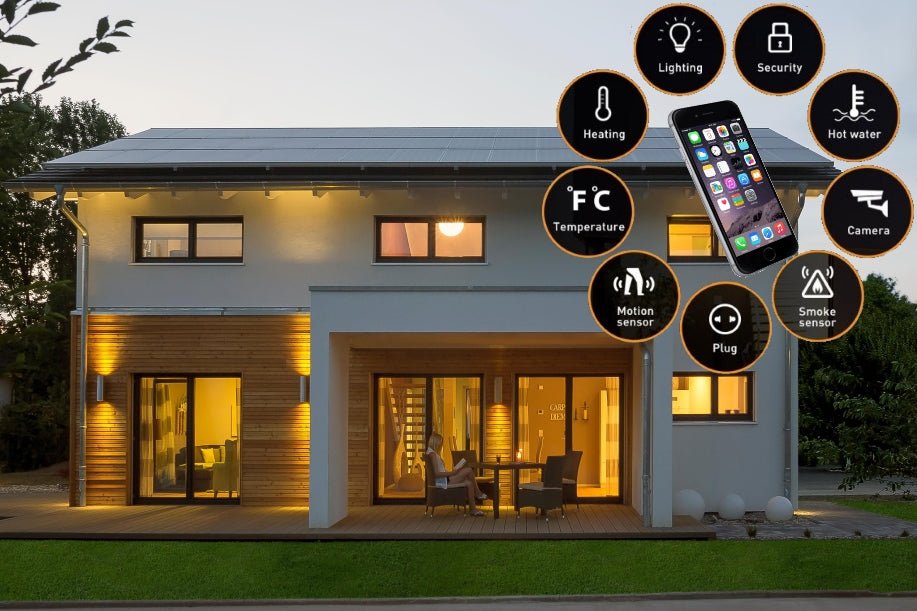
Navigating the exciting yet complex world of smart home technology can be overwhelming, particularly when choosing the right communication protocol. Zigbee and Bluetooth Mesh are 2 key contenders, each offering distinct benefits and challenges. The choice between these protocols could substantially affect your smart home setup. Let’s explore their key differences, ecosystem compatibility, and user experiences to help you make an informed choice.
Recognizing Zigbee and Bluetooth Mesh
What is Zigbee?
Zigbee is a trusted wireless standard, introduced by the Zigbee Alliance in 2004, with its most recent variation, Zigbee 3.0, launched in 2016. Operating on the 2.4 GHz frequency band, Zigbee supports a maximum data transfer rate of 250 kbps, making it perfect for low-power smart home devices.
Key Features of Zigbee
Mesh Networking
Zigbee uses a reputable mesh architecture, enabling gadgets to communicate data through numerous routes. This self-healing network makes sure connectivity even if one tool stops working, boosting total reliability.
High Compatibility
Zigbee gadgets are known for smooth interaction, no matter the brand. Instances include smart plugs or sensors that integrate effortlessly right into multi-brand communities like Home Assistant.
Extensive Ecosystem
Prominent brands like Tuya, Aqara, and others support Zigbee, supplying a selection of smart home devices ranging from lighting solutions to sensors and climate control systems.
What is Bluetooth Mesh?
Bluetooth Mesh is a newer entrant, introduced in 2017, that operates in the same 2.4 GHz frequency band as Zigbee but offers a higher data transfer rate of up to 2 Mbps. With its introduction, Bluetooth evolved from short-range communication into a scalable many-to-many wireless solution suitable for smart homes.
Key Features of Bluetooth Mesh
Higher Data Transfer Speed
Bluetooth Mesh permits quicker interaction between gadgets, ideal for bandwidth-intensive applications.
Mesh Networking Similarities
Like Zigbee, it sustains a mesh network where devices can relay signals, keeping interaction even when some devices go offline.
Zigbee vs. Bluetooth Mesh Ecosystems
Zigbee's Established Ecosystem
Zigbee has an established ecosystem supported by major vendors. Its devices are standardized under Zigbee 3.0, ensuring cross-brand compatibility for seamless integration.
Advantages:
Incorporates easily with open-source platforms like Home Assistant.
Provides considerable product selection, from smart buttons to security systems.
Reliable for both beginners and advanced setups.
Bluetooth Mesh’s Growing Ecosystem
While promising, the Bluetooth Mesh ecosystem is less mature and more fragmented. Many devices are developed for specific platforms, such as Xiaomi or Tmall Genie, creating compatibility challenges across brands.
Challenges:
Limited product selection contrasted to Zigbee.
Complex integration with open platforms, needing additional technological expertise.
Setup and User Experience
Zigbee’s Straightforward Setup
Setting up Zigbee devices is often quick and straightforward. For example, pairing a Zigbee smart plug with a central hub like Tuya typically involves just a few clicks, making it very user-friendly.
Bluetooth Mesh’s Complex Setup
Bluetooth Mesh devices may require brand-specific integration steps, which can be time-consuming. For example, while connecting a Bluetooth Mesh device to Xiaomi’s hub might be straightforward, integrating it into systems like Home Assistant usually requires extra steps.
Performance and Reliability
Zigbee’s Strengths
Zigbee’s self-healing mesh network is a standout feature, allowing messages to reroute through multiple paths if a device fails. This ensures stable performance even in larger homes with many devices.
Bluetooth Mesh’s Limitations
Although Bluetooth Mesh also supports self-healing, its reliability usually depends on the specific brands and ecosystems in use. Compatibility issues may interrupt connectivity, leading to frustrating experiences.
Comparing Zigbee and Bluetooth Mesh
Here’s a side-by-side comparison to simplify your decision:
|
Feature |
Zigbee |
Bluetooth Mesh |
|
Max Data Speed |
250 kbps |
2 Mbps |
|
Network Reliability |
High (self-healing mesh) |
Medium (brand-dependent) |
|
Compatibility |
Excellent (cross-brand) |
Limited (varies across ecosystems) |
|
Product Availability |
Extensive |
Limited |
|
Ease of Setup |
Simple |
Complex |
Which Protocol Should You Choose?
Choose Zigbee If You…
-
Need a reliable and established network with high device compatibility.
-
Want to integrate various products from leading brands seamlessly.
-
Value ease of setup and robust performance across a wide range of devices.
Choose Bluetooth Mesh If You…
-
Require faster data transfer speed for specific smart home needs.
-
Use a platform-specific ecosystem like Xiaomi and are willing to work within it.
-
Don’t mind a more complex setup process.
Final Thoughts
Choosing between Zigbee and Bluetooth Mesh boils down to your specific needs and preferences. Zigbee excels in reliability and cross-brand compatibility, making it ideal for cohesive smart home ecosystems. On the other hand, Bluetooth Mesh is a compelling option for specific scenarios, particularly if you prioritize speed and are committed to a particular ecosystem.
Share your thoughts! Have experience with either Zigbee or Bluetooth Mesh? We’d love to hear how these technologies have shaped your smart home experience in the comments.

